

Solar panels have undeniably become a core player in the future of energy. If you are a new solar investor, then it is essential for you to understand everything about solar panels. You should find the answers to the key questions and the science behind power generation through sunlight. For most of you, it is difficult to decipher how panels use raw sun rays for energy production.
Do you often wonder whether panels use light energy or heat energy? What is the actual source that is responsible for the energy?
When you get an array of panels installed on your site, you realize that they are absorbing both light and heat energy. However, photovoltaic panels use only light for energy harvesting. Nowadays, there are two different technologies that are being used for electricity production – solar thermal and solar photovoltaic. In solar thermal technology, panels accumulate the heat of the sun and then convert it into electricity. These panels are integrated with the hot water system. They are often used to generate steam for turbines and in the household hot water system. On the other hand, in PV technology, panels capture sun rays and directly convert the light into electricity through silicon semiconductors.
Temperature and Spectrum of Light
Solar thermal panels use heat for electricity production, so they are less effective in the winter season. The lifespan of these thermal panels is often shorter than PV panels. Most investors also assume that PV panels work best when they are exposed to scorching summer sun. But that’s not the case! PV panels work more efficiently in ambient weather conditions, meaning when the sun is strong, but the temperature is low (less than 27 degrees). Most PV panels lose their efficiency in ultra-hot weather, although there are panels on the market, like Novergy twin cell solar panels, which guarantee 60% more performance than the conventional counterparts because of their low-temperature coefficient.
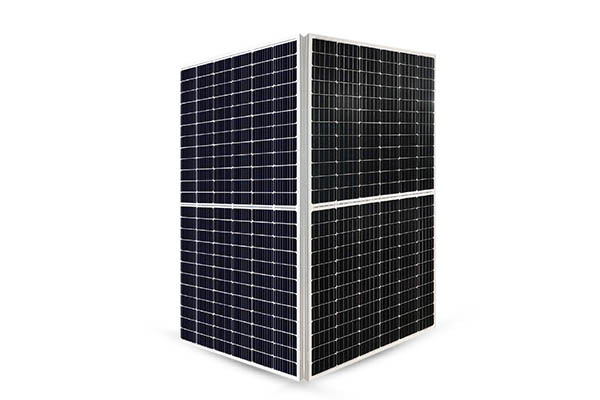
In PV panels, to harvest light energy, the sun uses the photovoltaic effect. Photovoltaics use the visible spectrum of light, some of which can be seen with the human eye, while the ultraviolet and infrared light cannot be seen. Clouds can block the visible light, but they cannot block the entire spectrum, which clears one misunderstanding investors often have in their minds: that panels do not function in cloudy conditions. PV technology is more reliable and sturdier than solar thermal technology.
Temperature and light both have a massive impact on the production of electricity. Every installation is unique, as every site faces the sun at a different angle, so the panel orientation also matters. A well-oriented panel can capture a good amount of light. The location of the site has a vital role to play in the amount of light that enters the modules.
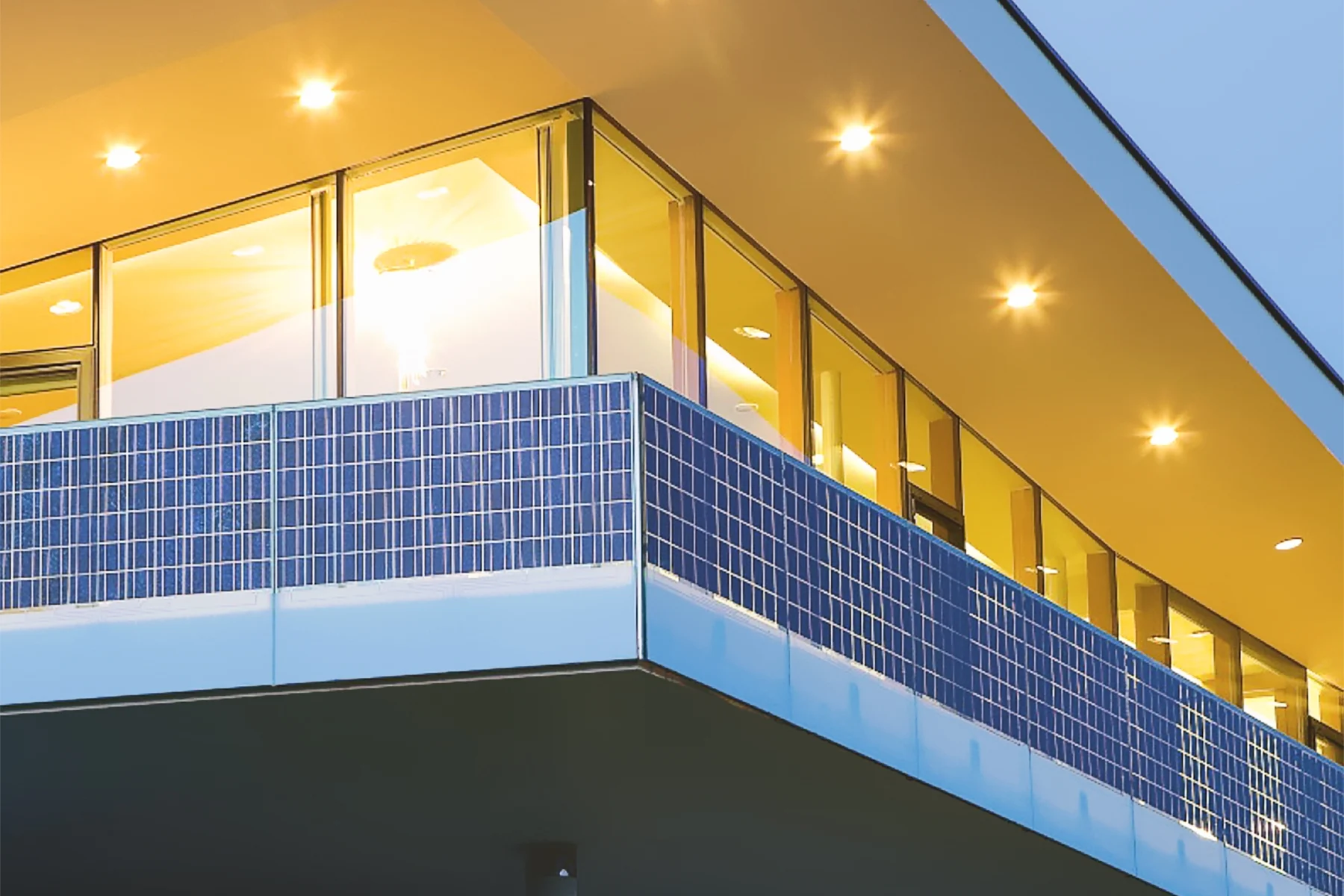
If we compare solar thermal technology with PV technology, PV is comparatively new and better. PV modules come in a myriad of options like – architectural PV (BIPV), twin-cell PV, monocrystalline, polycrystalline, etc. They provide energy for more than 25 years, so the lifespan is considerably longer than thermal ones. PV panels’ performance does not drop in winter. They can cover most of your site’s energy requirements, and they are incredibly efficient in the summers.
How do PV Panels Work?
As stated earlier, PV panels use the photovoltaic effect to generate electricity, and they do it with light, not temperature. Temperature cannot alter how much light the panel is absorbing; however, it can determine the amount of conversion. Like any other electronic device, panel performance also drops if it is extremely hot or cold.
PV panels are made of solar cells. A solar cell has multiple layers and has a basic working principle. It converts sunlight directly into DC energy. When sunlight hits the solar cell, it causes electrons to move from their usual stable positions. This allows the electrons in the silicon layer to move through the electric circuit and to produce electricity.
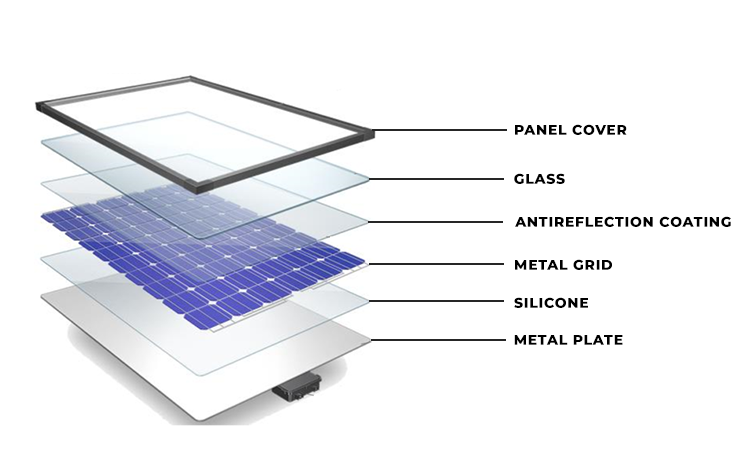
The first layer works as a transparent protective medium. It facilitates light to pass through the silicon layer while protecting it from environmental damage. The second layer, an anti-reflective coating, helps increase the absorption of light into the cell. It improves solar cell efficiency. The third layer is a silicon layer – it’s the most important layer because that’s where the electricity is generated. The two types of silicon – p-type and n-type, they are put together in contact with each other. The light that enters the layer increases the mobility in the two silicon layers. This permits them to pass through the electric circuit with voltage. The final layer – metal conductors- helps in extracting the mobilized electrons.
Novergy panel – Truly a Power-House
Novergy is one of the prominent solar panel manufacturers of India. With more than 19 years of experience in the solar industry, we have manufactured some top-of-the-line twin-cell, polycrystalline, and monocrystalline solar panels. Our panels ensure up to 20.7% efficiency. We provide a multitude of promising solar solutions with NIL replacement records.
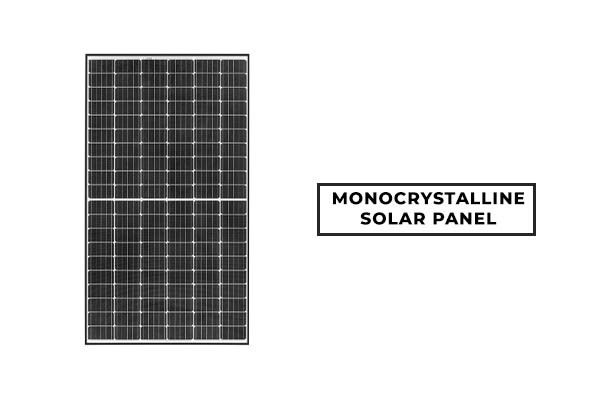
Regardless of weather conditions, our panels are known to perform efficiently and provide a seamless supply of power to your site. They are manufactured under stringent quality standards. They have a low-temperature coefficient and come with an anti-reflective coating to ensure maximum energy harvest. We are a one-stop solution for everything related to solar; we guarantee the timely execution of a project with our highly skilled engineers. We take care of the full cycle of a project – from designing a site plan to commissioning. Know more about Novergy Solar solutions by visiting novergysolar.com now