

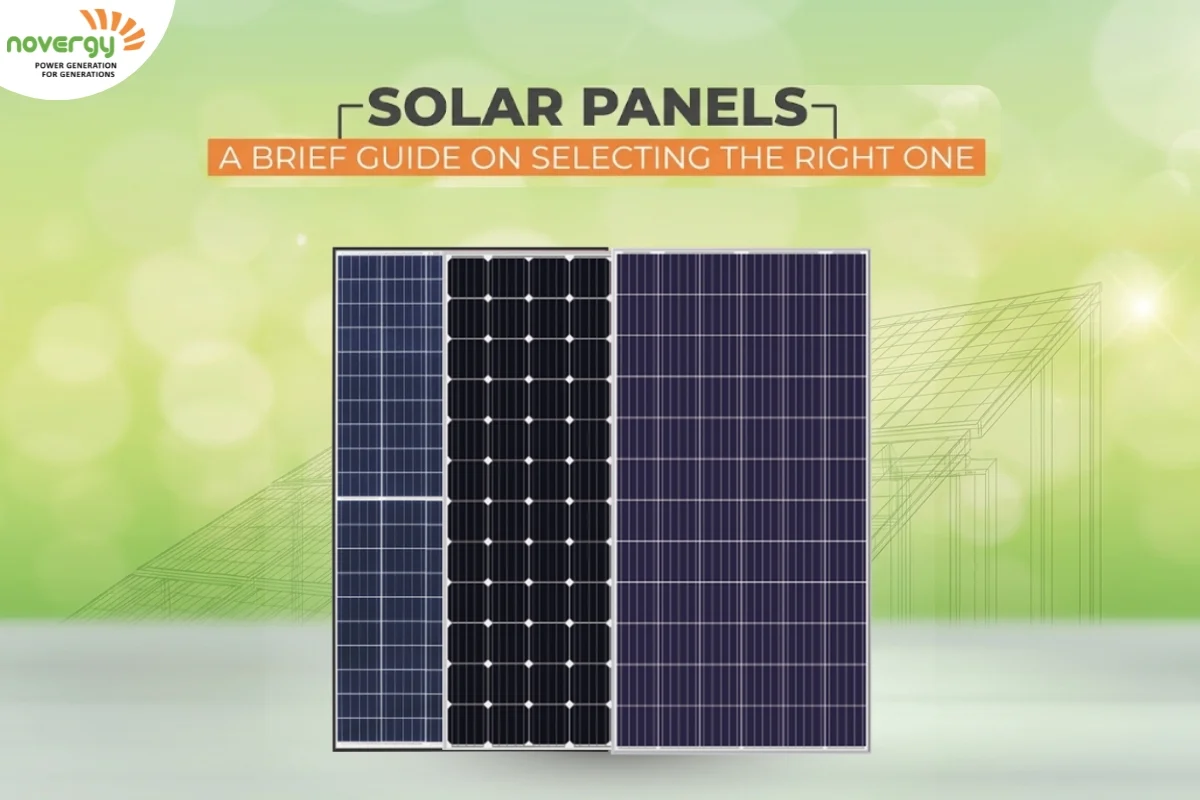
Many people, businesses, and governments have begun worrying about the catastrophic effects of carbon emissions and the resulting climate change. There has been an exponential increase in sustainable energy as part of a socially conscious investment. And solar energy is amongst the most frequently cited alternative energy forms. According to Statista, global PV capacity increased from 5 GW (2005) to 3 TW (2026).
For stakeholders, selecting the right panel is an essential stage in the development of a robust and cost-saving solar system. It all comes down to three things: aesthetic appeal, operational budget, and energy generation efficiency. Though these are critical aspects, solar panels have a factor that is applicable to all three aspects: the type of solar panel you select.
A credible manufacturer could provide premium panels that last decades and help you save a lot on energy expenses over the years. On the contrary, the manufacturers who emphasize upfront costs instead of long-term outcomes will leave you with a system that will not withstand the test of time and weather challenges.
PV panels of the 1st generation are developed with monocrystalline silicon and multicrystalline silicon cells, accompanied by 2ndthe generation of thin-layer oriented solar cells (CdTe and CIGS). The PV modules of the 3rd generation strive to merge high- performance, long lifespan, and thinner sheets.
When you are choosing a solar panel system for a residential, commercial, and industrial installation, consider the following elements;
The Color of the Frame and Backsheet
Every solar panel has a set of silicon cells mounted on its backsheet. This sheet reveals the spaces between cells and develops a template for the grid. Rather than conventional white, some manufacturers provide solar panels with black backsheets. Black backsheets build a more consistent panel that merges into dark roofs. Nevertheless, black retains heat; black backsheets could become warmer than standard panels, and this could degrade the efficiency of the panels.
The metal frame color across the edges of the panels also has 2 alternatives: black and silver. Panels with a black frame may be more impressive but expensive. On the other hand, the performance of both frames is identical.
The Size of the Panels
The majority of the panels come in two different sizes: 60 cells and 72 cells. It illustrates the number of cells positioned on the solar panel. By size, 72-cell panels are a foot longer and a little heavier than the 6-cell panels.
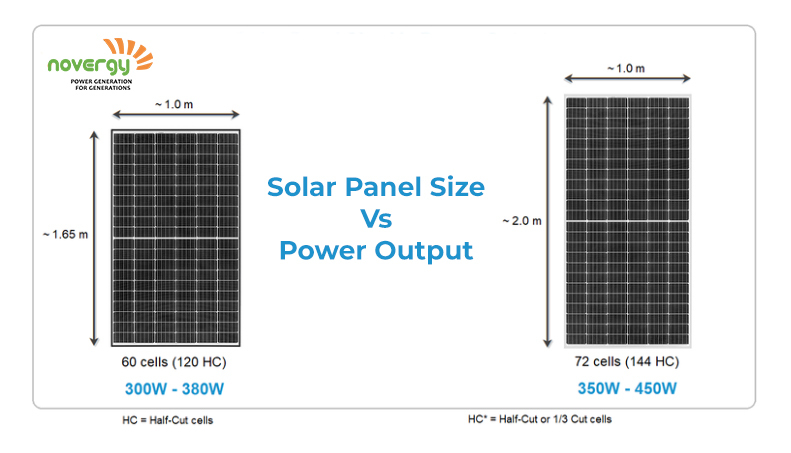
The bigger panels are favoured in commercial and industrial installations, while the 60-cell panels are preferred in sites which have space constraints. The 72-cell model is identical to the 60-cell panels, but they are economical and have greater energy output.
Solar Panel Performance
The performance of a solar panel is driven by two components – output rating and efficiency. Output rating is the 3-digit number written on the back of a panel, and it indicates the watts of power the panel will generate under optimal circumstances. Generally, the output ratings range from 200 to 400 watts; some manufacturers offer output ratings above 450 watts as well, but those panels are costly.
Further, power output isn’t the only aspect to watch out for. You must also recognize the percentage of panel efficiency. The more powerful a solar panel, the more KWH of electricity it will deliver per watt of capacity.
Linear Warranty and Quality Assurance
A stable warranty despite the panel deterioration from the manufacturer is a significant indicator of the overall panel efficiency. Numerous top-performing solar panels are assured for 25 to 30 years and are still capable of functioning after their warranty ends. The energy generated is directly proportional to the money you save from the installation. And choosing modules that are supported by a complete warranty will contribute to their performance.
You would want to look at factors like the panel’s guarantee, the reputation of the manufacturer, client feedback, and operational specifications, coefficient of temperature and power resistance, to get a true panel quality measurement.
The Type of Panels – Novergy Product Line
One size fits all is not an appropriate approach while choosing the panels. As it depends on a variety of variables such as your budget, the installation space, the amount of energy you want to produce, and lastly, the aesthetic quotient.
The information below will furnish you with the intricate details about every panel that Novergy offers. Here are the three types of panels which are designed, engineered and manufactured by us;
Solar Twin Cell Panels
Best suited for sites with space constraints, Twin-cell solar panels use revolutionary technology to enhance their longevity and robustness by 2X. The traditional 72 cells are halved, and 144 cells are developed. These multiple cells minimize the resistive loss and mechanical stress in the modules, which dramatically increases the module’s efficiency and power.
The twin-cell configuration also improves the modules’ efficiency under reduced irradiance conditions. For example, in a rooftop situation, when some standard modules are mounted and one row of a module is shaded, the overall module performance is zero. A twin cell module guarantees at least 50% power output in a similar condition. If any parts of the module are in the shadow, the conversion will not stop. It is designed with Passivated Emitter Rear Cell (PERC) and 5-busbar technology to ensure maximum yield and faster payback.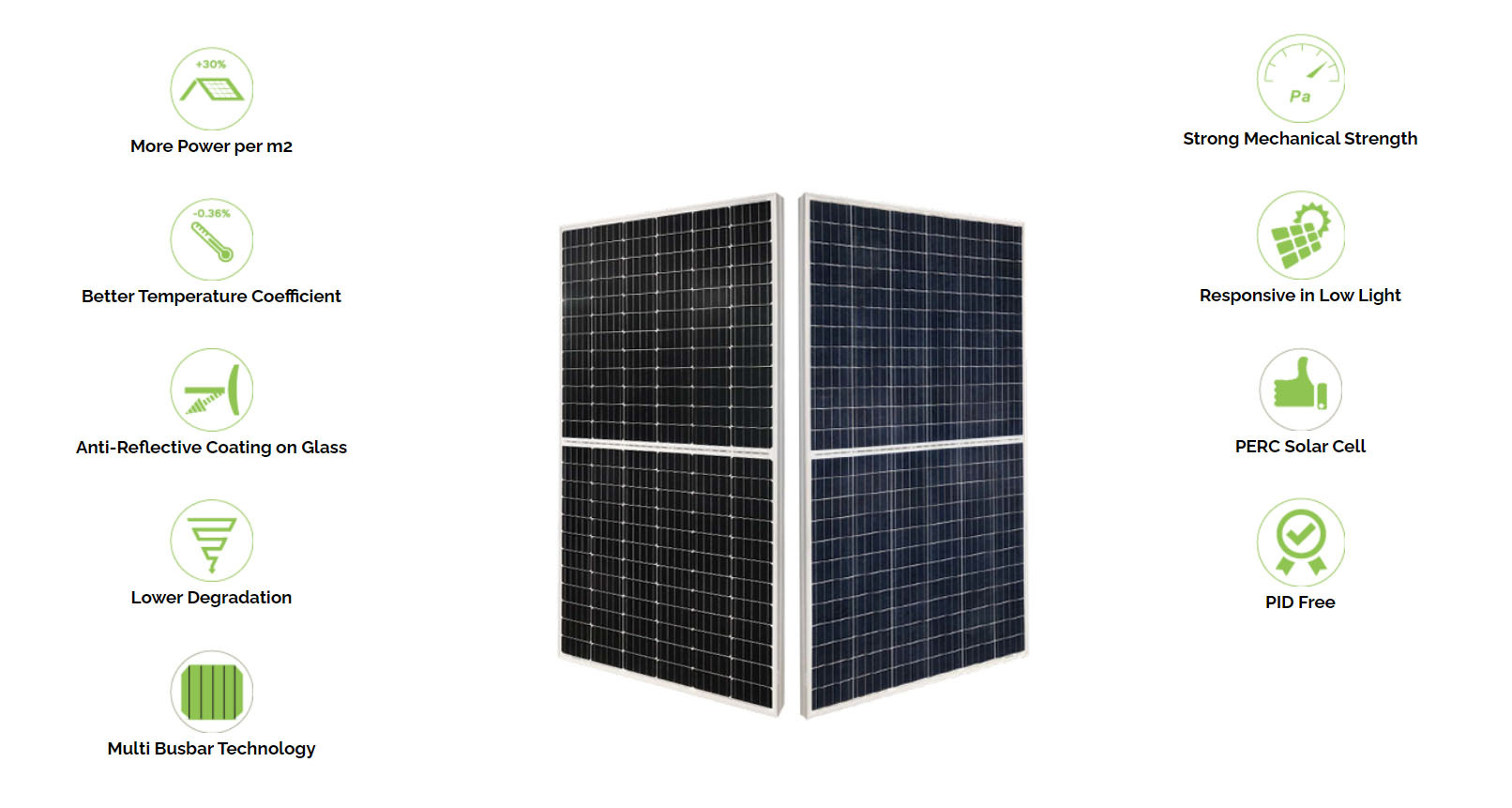
Building Integrated Photovoltaic (BIPV)
As the title indicates, BIPV can be fully incorporated with the building’s architecture. BIPV can be conveniently mounted on a building to replace the primary building materials while enhancing the visual appeal of the building.
Novergy’s solar BIPV module is the most favoured choice for architects, building consultants, or designers to construct sustainable and green buildings without sacrificing architectural concepts.
BIPV can be employed in a plethora of applications, including façades, rooftops, canopies, parking, and more. We want to make absolutely sure that all buildings can display beauty while also being the source to harvest clean energy. These modules can also assist investors in attaining Green Building certifications like GRIHA, LEED, etc.
There are three types of BIPV that Novergy produces;
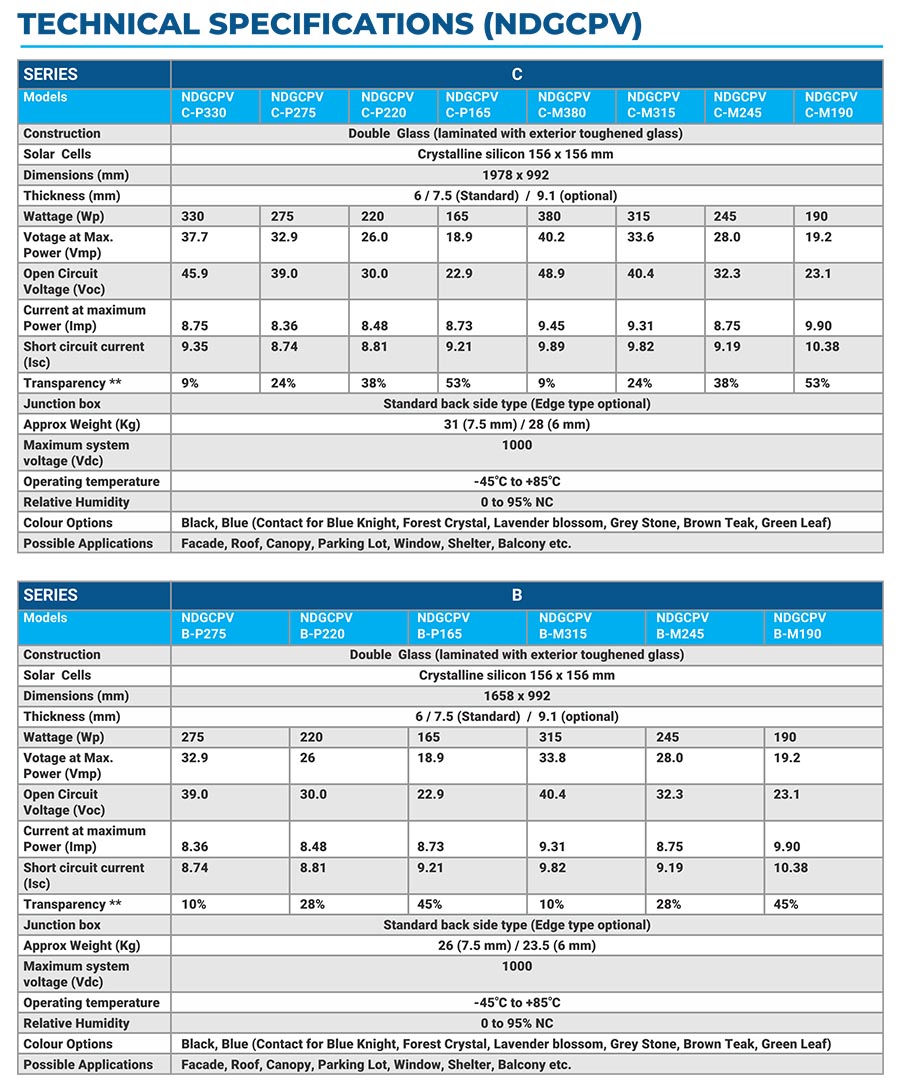
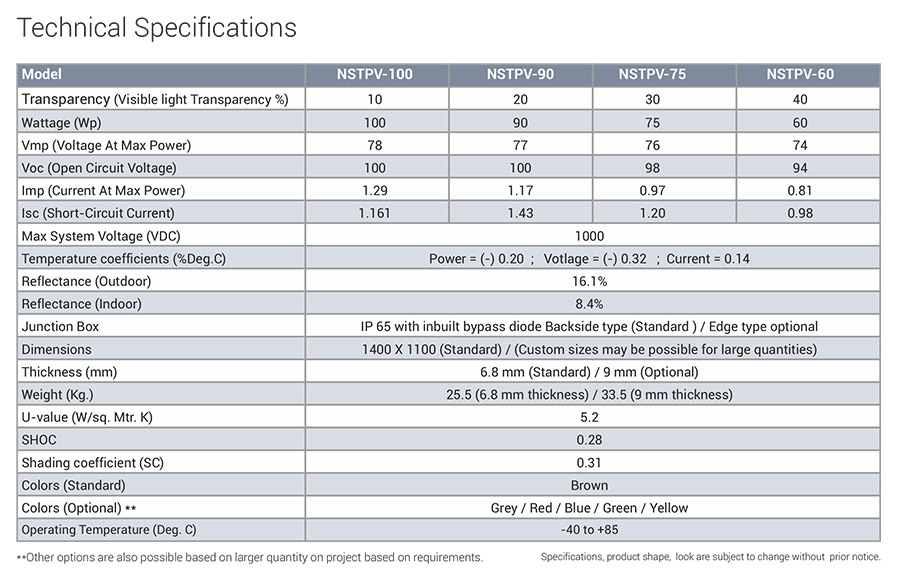
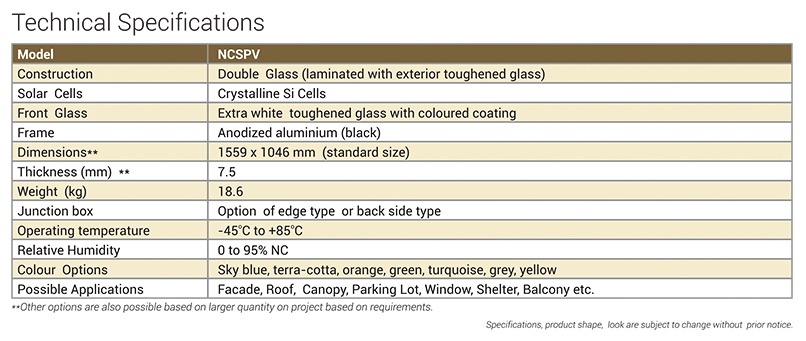
Crystalline Solar Panels
Novergy manufactures two variants of crystalline panels – Monocrystalline solar panel and Polycrystalline solar panel. The solar cells of monocrystalline panels are developed from a single crystal of silicon, while the cells of polycrystalline panels are created using numerous melted fragments of silicon.
The cell efficiency of these models is more than 24%. Commercial-grade modules today commonly reach 550-620w, with select high-output panels available above 700w for large-scale installations. These panels are available in multiple cell configurations, including 72 cells, 60 cells, and 36 cells.
We produce high-performance crystalline silicon modules made from raw components of the finest quality and under stringent manufacturing benchmarks. With a relatively lower degradation rate, our modules deliver optimum efficiency and more kWh (up to 60% or higher) of energy over a longer time span. These panels display greater mechanical strength and can withstand harsh weather conditions.
These modules have been installed in various power plants, rooftop systems, pumping systems, lighting systems, etc across the globe and have always exceeded performance expectations.
Half-Cut Cell Technology
These panels use solar cells that are literally cut in half. By doing this, the panel handles heat better and resists power loss from shade.
- Why they work: If a small shadow from a nearby chimney hits one part of the panel, the rest of it keeps working at high speed.
- Best for: Factories in crowded industrial clusters where shadows from other buildings are common.
Final Thoughts
This procedure of picking the best solar panel can be daunting for investors with the vast number of panel choices. In order to decide the perfect combination of panel size, performance, and production, it takes an extensive range of experience to ensure panels are top-notch and are backed with 25-year warranties.
At Novergy, all your concerns will be addressed by us as we make sure our investors reap maximum rewards from their solar investments. Our solar solutions can cater to all the goals of investors. To explore our entire range of products, visit Novergy now!